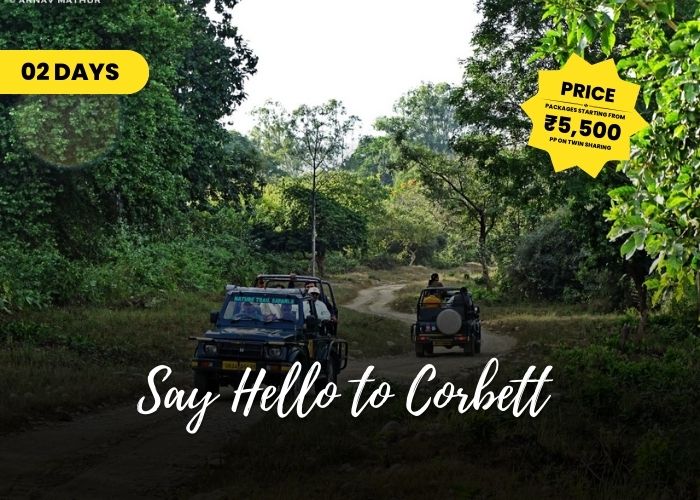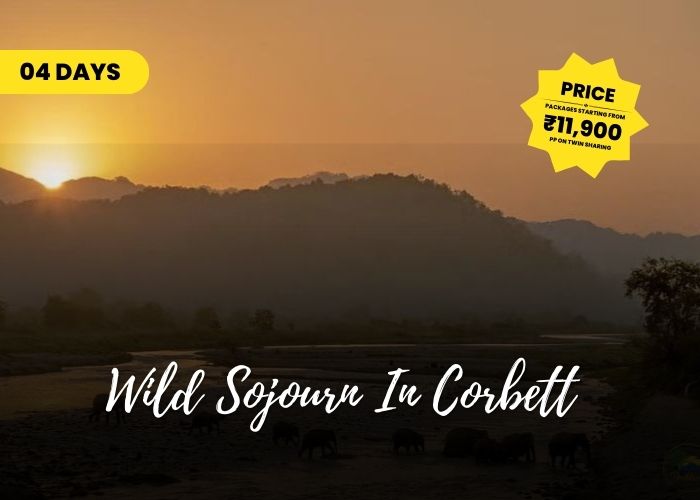
The Garjiya Zone in Jim Corbett National Park is a captivating safari zone known for its scenic landscapes and abundant wildlife. Located near the famous Garjiya Devi Temple, it offers a perfect mix of dense forests, riverbanks, and open grasslands. Visitors can enjoy thrilling Jeep safaris with chances to spot tigers, elephants, deer, and various bird species. Its natural beauty, peaceful surroundings, and accessibility make Garjiya Zone a must-visit destination for nature lovers and wildlife enthusiasts.

It's highly recommended to book well in advance, especially the safari permits, which open slots up to 45 days prior. The Official Corbett Tiger Reserve website is the only source to get a safari permit. You'll need to provide ID details for all visitors. Be aware that permits are generally non-refundable. Corbett Waala also facilitate Corbett Safari bookings, often including permit, jeep, and a guide. Remember to carry your original ID!
You can only book a permit through the official website, rest other essentials like jeep and guide need to book manually. You can simply ask us to do all the hard work for you.
Jim Corbett National Park, located in Uttarakhand, is one of the most popular wildlife destinations in India. Known as the country’s first national park and the birthplace of Project Tiger, it attracts thousands of wildlife lovers every year. The biggest highlight of visiting Corbett is undoubtedly the jungle safari, which allows visitors to explore the dense forests, riverbeds, and grasslands while spotting tigers, elephants, leopards, deer, and hundreds of bird species.
If you are planning a Corbett jungle safari, here’s everything you need to know about the types of safaris, different zones, the best time to visit, useful tips, and answers to the most asked questions.
The Garjiya Zone of Jim Corbett National Park is one of the most picturesque and wildlife-rich areas of the reserve. Officially opened for tourism in 2021, this zone quickly became a favorite among visitors for its breathtaking landscapes, easy accessibility, and incredible diversity of flora and fauna. Named after the famous Garjiya Devi Temple, one of the most revered shrines in Uttarakhand, this zone beautifully blends spirituality, adventure, and nature in a single experience.
Located just a few kilometers from Ramnagar, the Garjiya Zone serves as one of the key entry points to the Corbett Tiger Reserve. With its dense forests, serene riverbanks, and abundant wildlife, it promises a perfect wilderness adventure for both first-time visitors and seasoned wildlife enthusiasts.
The Garjiya Zone was developed to expand tourism opportunities while maintaining a balanced distribution of visitors across different parts of the park. It shares its boundaries with the Bijrani Zone, which has long been a popular choice for tiger safaris. This proximity ensures similar terrain and wildlife diversity but with fewer crowds and a more peaceful experience.
Spread across an extensive area, the Garjiya Zone features lush sal forests, mixed deciduous vegetation, riverbeds, and open meadows that support a wide range of animal species. The forest department has maintained well-defined safari routes that allow visitors to explore different habitats safely and sustainably.
The Garjiya Gate, the official entry point for this zone, is located approximately 9 kilometers from Ramnagar, making it one of the most accessible zones of Jim Corbett National Park. The drive from Ramnagar to the gate takes just about 20–30 minutes, passing through scenic forested stretches and small villages.
Because of its proximity to the Garjiya Devi Temple, the zone holds cultural significance as well. Many tourists combine their temple visit with a wildlife safari, making Garjiya one of the most versatile zones in terms of both nature and heritage.
Unlike some zones that close during the monsoon, Garjiya Zone remains open for most of the year, depending on weather conditions, allowing wildlife lovers to explore Corbett almost year-round.
The Garjiya Zone is a visual treat with its stunning variety of landscapes. Its terrain includes a perfect mix of dense sal forests, open grasslands, riverine belts, and foothill regions of the lower Himalayas. The Ramganga River, which flows nearby, adds to the charm of the area, creating ideal conditions for wildlife to thrive.
The vegetation primarily consists of sal, sheesham, haldu, and rohini trees, which provide dense canopy cover. This vegetation not only enhances the scenic beauty but also serves as vital habitat for herbivores and shelter for predators. The zone also contains a few waterholes and small streams, which attract animals during the dry season, offering visitors incredible opportunities for wildlife sightings and photography.
The Garjiya Zone is home to a diverse range of animal species, making it one of the best areas for wildlife safaris in Corbett. The most sought-after species here is, of course, the Royal Bengal Tiger, and the chances of spotting one are fairly good due to the healthy tiger population and open terrains.
Other frequently sighted animals include:
The zone is also a paradise for birdwatchers, with over 300 species of resident and migratory birds recorded here. From colorful Indian rollers and kingfishers to crested serpent eagles, woodpeckers, and hornbills, the forest resonates with bird calls, especially during early morning hours. In winter, migratory species such as bar-headed geese, ruddy shelducks, and wagtails add more vibrancy to the area.
The Garjiya Zone safari is conducted in open 4x4 Jeeps, offering visitors an immersive and thrilling experience of the jungle. Each safari lasts around 3 to 4 hours, covering a distance of roughly 20 kilometers through diverse terrains.
Safaris are available in two shifts – morning and afternoon – each providing unique experiences. The morning safari often presents fresh animal tracks and increased chances of spotting predators, while the afternoon ride showcases the golden hues of the setting sun filtering through the trees.
The safari routes are well-planned, ensuring minimal disturbance to wildlife while offering maximum visibility for visitors. Government-approved guides accompany every vehicle, sharing fascinating insights about the jungle, animal behavior, and conservation efforts in the park.
Only a limited number of jeeps are permitted per shift, maintaining a balance between tourism and conservation. This helps preserve the zone’s pristine environment and ensures a peaceful safari experience away from overcrowding.
Though there is no Forest Rest House inside the Garjiya Zone itself, the nearby Ramnagar area and villages such as Garjiya, Dhikuli, and Mohan offer a wide range of accommodation options. Visitors can choose from budget lodges, eco-resorts, and luxurious jungle retreats depending on their preferences.
Most of these properties provide easy access to the safari gate, along with facilities like swimming pools, guided nature walks, bonfires, and birdwatching tours.
While in the area, visitors should not miss the Garjiya Devi Temple, located on a large rock in the middle of the Kosi River. It’s one of the most visited temples in the region, dedicated to Goddess Garjiya, and offers panoramic views of the surrounding forest and river valley.
Nearby attractions include:
The Garjiya Zone can be visited throughout most of the year, but the experience varies with the seasons:
Safari bookings for the Garjiya Zone are managed by the Corbett Tiger Reserve authorities. Visitors must book their permits in advance through the official Corbett Tiger Reserve website or authorized travel partners.
Each jeep can carry up to six passengers along with a driver and a registered guide. Visitors must carry valid ID proof, and it is advisable to book safaris well in advance, especially during peak tourist seasons (December to May).
Conclusion:
The Garjiya Zone of Jim Corbett National Park is a perfect blend of natural beauty, wildlife adventure, and spiritual charm. Its scenic terrain, diverse wildlife, and peaceful atmosphere make it one of the most rewarding zones for safaris. Whether you’re a wildlife enthusiast seeking thrilling tiger encounters, a nature photographer chasing perfect frames, or a traveler yearning for tranquility, Garjiya has something magical to offer.
Visiting the Garjiya Zone isn’t just a safari—it’s an intimate journey through nature’s heart, where every rustle, roar, and ray of sunlight tells a story of the wild, timeless beauty of Corbett.