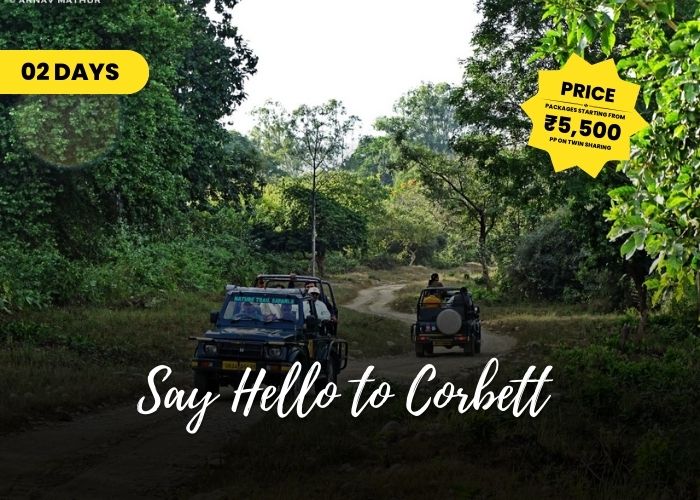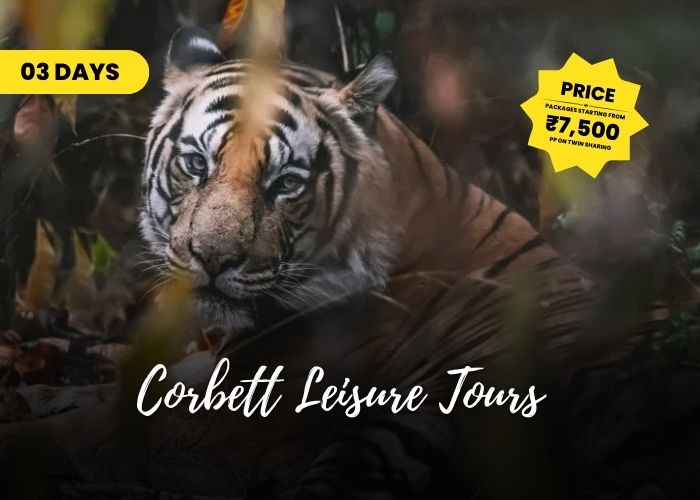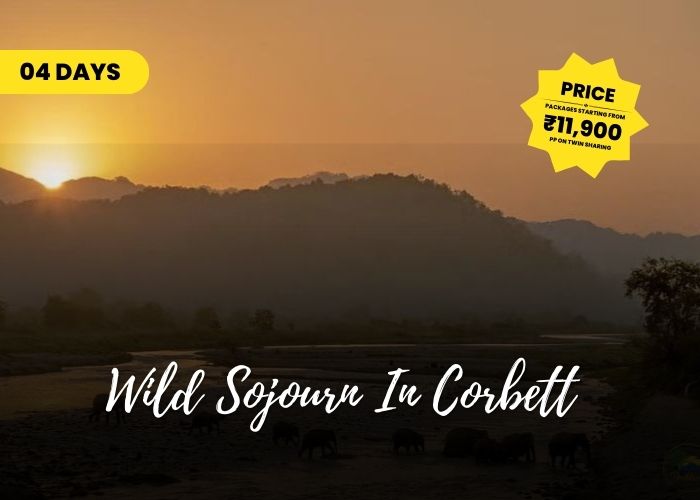
If you’re dreaming of an authentic wildlife adventure, planning a Jungle Safari in Dhikala Zone is the best way to experience the true wilderness of Jim Corbett National Park. Known as the core and most scenic zone of Corbett, Dhikala offers visitors an unmatched opportunity to witness the park’s rich flora and fauna in their natural habitat. From spotting majestic Bengal tigers to watching herds of elephants crossing the Ramganga River, every moment in Dhikala brings you closer to nature’s untamed beauty.
It's highly recommended to book well in advance, especially the safari permits, which open slots up to 45 days prior. The Official Corbett Tiger Reserve website is the only source to get a safari permit. You'll need to provide ID details for all visitors. Be aware that permits are generally non-refundable. Corbett Waala also facilitate Corbett Safari bookings, often including permit, jeep, and a guide. Remember to carry your original ID!
You can only book a permit through the official website, rest other essentials like jeep and guide need to book manually. You can simply ask us to do all the hard work for you.
Jim Corbett National Park, located in Uttarakhand, is one of the most popular wildlife destinations in India. Known as the country’s first national park and the birthplace of Project Tiger, it attracts thousands of wildlife lovers every year. The biggest highlight of visiting Corbett is undoubtedly the jungle safari, which allows visitors to explore the dense forests, riverbeds, and grasslands while spotting tigers, elephants, leopards, deer, and hundreds of bird species.
If you are planning a Corbett jungle safari, here’s everything you need to know about the types of safaris, different zones, the best time to visit, useful tips, and answers to the most asked questions.
Nestled deep within the lush wilderness of Jim Corbett National Park, the Dhikala Zone stands as the park’s most iconic and biodiverse region. Known for its vast grasslands, dense Sal forests, serene riverbanks, and unmatched wildlife encounters, Dhikala is often described as the crown jewel of Corbett. It is not just a safari zone — it’s a living, breathing ecosystem where every rustle of leaves and distant roar of a tiger reminds visitors that they are in the realm of nature’s purest power.
The Dhikala Zone is the largest and most popular safari zone within Jim Corbett National Park, located in the park’s core area on the banks of the Ramganga River. The name “Dhikala” is derived from a forest rest house built during the British era, which still stands today as a heritage structure offering an old-world charm amid the wilderness.
This region is part of the Patli Dun Valley, where the Ramganga River flows gracefully, forming marshes, channels, and grasslands — perfect habitats for diverse flora and fauna. Dhikala’s landscape is a photographer’s dream, offering panoramic views of the Kumaon foothills, meadows known as Chaurs, and the mist-covered riverbanks that glisten at sunrise.
Historically, Dhikala has been a crucial part of wildlife conservation efforts since the establishment of Hailey National Park in 1936 (later renamed Jim Corbett National Park). Its legacy continues as a core zone where nature thrives with minimal human interference.
If there is one place in Corbett that guarantees thrilling wildlife sightings, it is undoubtedly Dhikala. Known as the tiger territory, this zone offers the highest probability of spotting the Royal Bengal Tiger. Tourists from across the globe visit Dhikala with dreams of witnessing a tiger’s majestic stride through the tall grass — and more often than not, those dreams come true.
But tigers aren’t the only stars here. Dhikala is home to an incredible variety of wildlife, including:
Dhikala is also a paradise for birdwatchers. Over 550 species of birds have been recorded here, including Crested Serpent Eagles, Ospreys, Changeable Hawk-Eagles, Kingfishers, Hornbills, and Great Cormorants. During winter, migratory birds such as Bar-headed Geese and Pallas’s Fish Eagles flock to the region, making it one of India’s premier birding destinations.
What truly sets Dhikala apart from all other zones in Corbett is the Dhikala Forest Rest House (FRH). Established more than a century ago, this colonial-era rest house sits right inside the core area of the reserve, offering a once-in-a-lifetime experience — staying overnight in the wild.
Imagine waking up to the calls of barking deer warning of a predator nearby, or sitting on the watchtower overlooking the Ramganga reservoir while elephants bathe in the distance — this is what the Dhikala FRH offers.
The rest house is operated by the Corbett Tiger Reserve Forest Department and features basic but comfortable rooms, dormitories, and canteen facilities. Electricity is limited, phone signals are scarce, and modern luxuries are absent — but that’s the beauty of Dhikala. It’s an escape into the wild where nature dictates the rhythm of your stay.
Because it lies within the core zone, only visitors with confirmed bookings at Dhikala FRH are allowed to stay overnight. This exclusivity ensures limited human presence, making the experience more peaceful and authentic.
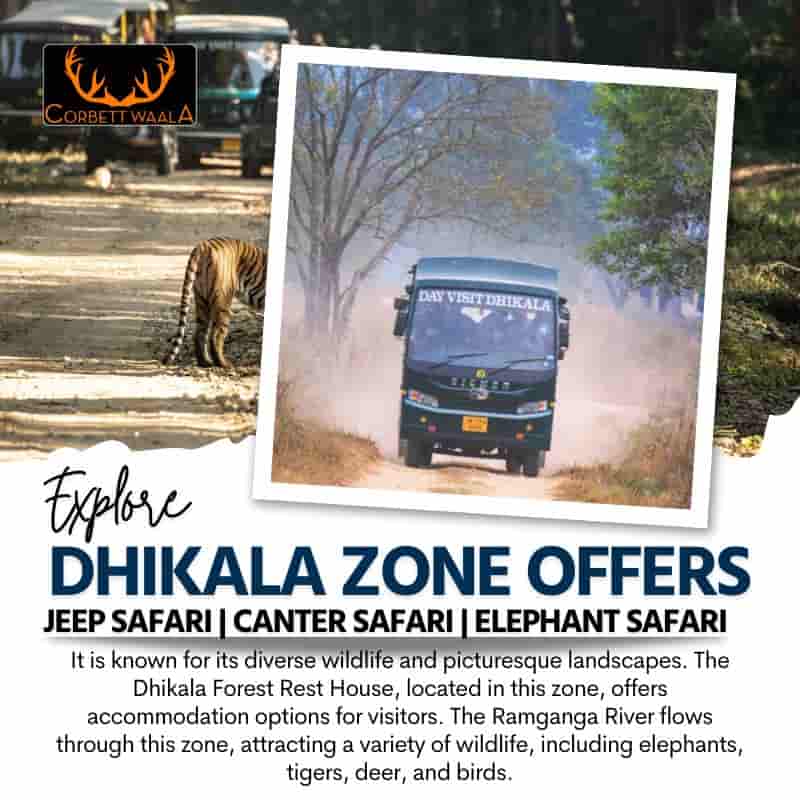
The Dhikala Zone offers two main types of safaris: Canter Safari and Jeep Safari (the latter available only for FRH residents).
Each safari is guided by trained naturalists who interpret the signs of the forest — pugmarks, alarm calls, and movement in the grass — turning every ride into a thrilling adventure.
The Dhikala Zone remains open from 15th November to 15th June each year. During the monsoon season (July to mid-November), the zone remains closed due to heavy rains and the risk of flooding.
Each season paints Dhikala in a different mood — from golden sunrises in winter to green monsoon rejuvenation.
The entry gate for Dhikala Zone is Dhangari Gate, located about 18 km from Ramnagar, the nearest town and railway station. From Ramnagar, one can reach Dhangari by private vehicle or taxi. Beyond this gate, only registered vehicles with valid forest permits are allowed.
Nearest Access Points:Since Dhikala is a core tiger reserve area, entry is strictly controlled:
Dhikala is not just a place — it’s an emotion of the wild, a journey that connects you to the raw essence of nature. Unlike commercialized wildlife zones, Dhikala offers a genuine and immersive forest experience. The vastness, silence, and thrill of encountering nature’s giants in their natural home leave a mark on every traveler’s soul.
Whether you’re an adventure enthusiast, a wildlife photographer, or someone seeking peace away from the modern chaos, Dhikala offers an experience unlike any other. It reminds you that humans are merely guests in this ancient wilderness — and the true owners are the wild creatures who have roamed it for centuries.
Conclusion:
The Dhikala Zone of Jim Corbett National Park is India’s ultimate wildlife experience — where scenic landscapes meet thrilling adventures. From the mighty roar of the tiger echoing through the forest to the calm beauty of the Ramganga River at sunset, every moment here feels like a scene from a nature documentary.
For travelers who crave authenticity, serenity, and adventure, Dhikala is the perfect destination — a place where the jungle speaks in whispers, and nature unfolds in its purest form.